
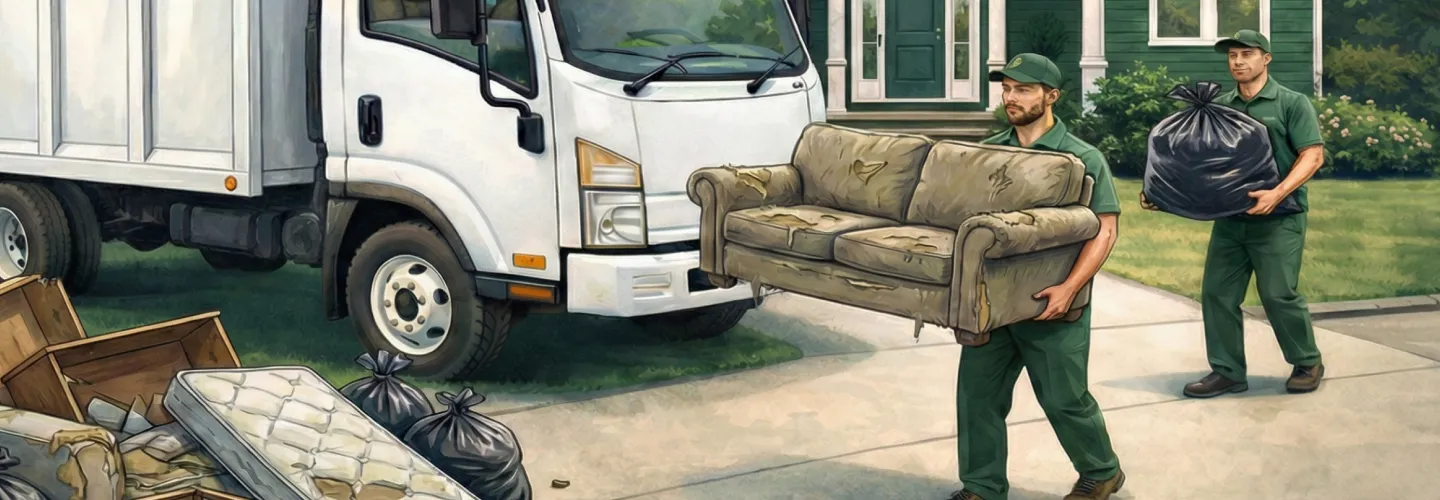
Snellville Foreclosure Clean Outs Services
Choose our foreclosure clean out services for prompt, thorough, and hassle-free property cleanups—restoring homes to market-ready condition with professionalism and care.
Get a Free QuoteOur Snellville Junk Removal Services
Foreclosure Clean Outs in Snellville, GA – Local Service Guide
Foreclosure clean outs in Snellville, GA require a local touch and a deep understanding of the area’s neighborhoods, from Brookwood Village to Summit Chase. These projects often arise after property transitions, evictions, or seasonal moves, and involve removing a wide range of residential items—furniture, appliances, electronics, and even specialty items like hot tubs or sheds. Timing is crucial, especially during spring and summer when property turnover peaks. Local disposal options include donation centers, recycling facilities, and city-approved waste sites, but access and weather can impact logistics, particularly in neighborhoods with narrow drives or heavy tree coverage.
For residential spaces like garages, basements, and yards, clean outs are often triggered by storm debris, flooding (not uncommon near Norris Lake), or routine yard cycles. Commercial properties in Snellville’s business corridors—such as Scenic Highway—face unique needs, including discreet, after-hours service and handling larger volumes. Specialty clean outs, like hoarding or estate situations, require careful planning and coordination with property managers and city guidelines. For more on local disposal rules and resources, visit the Snellville Public Works Department.
Benefits of Foreclosure Clean Outs in Snellville
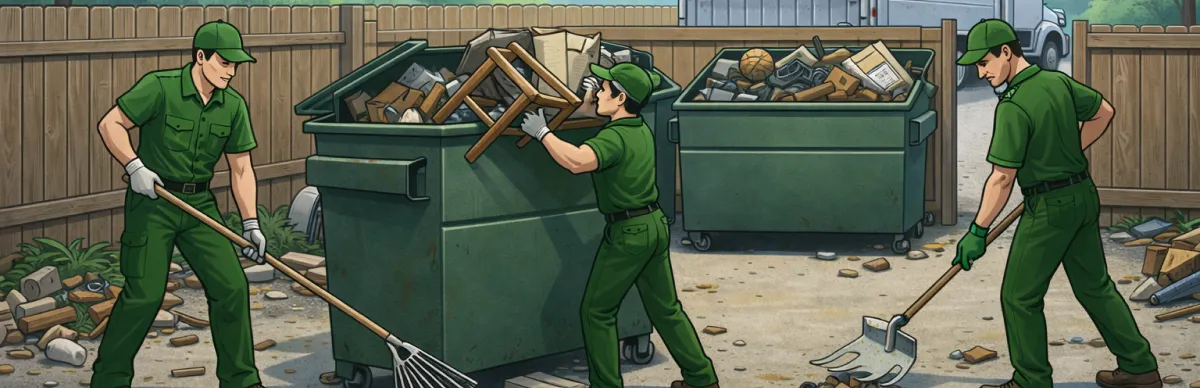
Fast Turnaround Times
Comprehensive Property Cleaning
Experienced Clean Out Professionals
Eco-Friendly Disposal Solutions
Flexible Scheduling Options
Affordable Foreclosure Clean Out Rates
Coordinating Foreclosure Clean Outs with Snellville's Public Works and Code Enforcement Departments
Foreclosure clean outs in Snellville require coordination between multiple municipal departments to ensure proper waste removal and property compliance. The Snellville Public Works Department oversees sanitation services, street maintenance, and infrastructure that directly affect how debris and abandoned property contents are collected and transported. The Snellville Quality of Life & Code Enforcement division enforces property maintenance standards that foreclosed properties must meet before resale or occupancy.
- Property maintenance violations on foreclosed homes may include overgrown vegetation, accumulated debris, and unsecured structures
- Code enforcement inspections may be triggered by neighbor complaints or routine municipal surveys of vacant properties
- Bulk waste generated during clean outs must be handled through licensed commercial haulers, not placed curbside without authorization
- Vacant property registration may be required by the city for bank-owned or foreclosed homes to ensure ongoing maintenance accountability
Snellville Public Works Department
2342 Oak Road, Snellville, GA 30078
Phone: (770) 985-3513
Official Website: Snellville Public Works Department
Snellville Quality of Life & Code Enforcement
2342 Oak Road, Snellville, GA 30078
Phone: (770) 985-3513
Official Website: Snellville Quality of Life & Code Enforcement
Hazardous Material Identification and Disposal Requirements for Snellville Foreclosure Properties
Foreclosed properties in Snellville frequently contain hazardous materials that require specialized handling before general clean out work can proceed. Many homes built before 1978 may contain lead-based paint, and properties constructed before 1980 may have asbestos in insulation, floor tiles, or pipe wrapping. The EPA Renovation, Repair, and Painting Rule mandates lead-safe work practices when disturbing painted surfaces in pre-1978 structures. Abandoned foreclosures may also harbor household hazardous waste left behind by former occupants.
- Common hazardous items found in foreclosures include paint cans, pesticides, pool chemicals, automotive fluids, propane tanks, and cleaning solvents
- Refrigerant-containing appliances such as refrigerators, freezers, and air conditioning units require certified technician recovery per EPA Section 608 regulations
- Lead-acid batteries and lithium batteries are prohibited from regular solid waste disposal in Georgia and must be taken to designated recycling facilities
- Gwinnett County Household Hazardous Waste collection events provide periodic drop-off opportunities for paints, chemicals, and electronics
- Mold remediation may be necessary in foreclosed homes that have experienced water damage or prolonged vacancy without climate control
Failure to properly identify and separate hazardous materials before disposal can result in contamination fees, code violations, and potential liability under the Resource Conservation and Recovery Act (RCRA).
Georgia's Solid Waste Management Act and Compliance for Foreclosure Clean Out Operations
Georgia's solid waste regulations establish the legal framework governing how materials removed during foreclosure clean outs must be handled, transported, and disposed of. The Georgia Environmental Protection Division (GA EPD) administers the Georgia Comprehensive Solid Waste Management Act, which requires all solid waste to be transported by permitted haulers and delivered to authorized disposal facilities. Contractors performing foreclosure clean outs in Snellville must ensure compliance with both state and Gwinnett County disposal requirements.
- Commercial hauler permits are required for any company transporting solid waste for compensation in Georgia; operating without proper permits may result in fines
- Manifest documentation should accompany loads delivered to transfer stations or landfills, recording waste type, volume, and origin address
- Construction and demolition debris generated during property repairs or renovation must be separated from household waste and delivered to C&D-permitted facilities
- Illegal dumping penalties under Georgia law include fines up to $25,000 per day for commercial violations and potential criminal prosecution
- Tire disposal requires delivery to permitted tire processors; accumulation of more than 100 tires on a property triggers additional regulatory requirements
Georgia Environmental Protection Division
2 Martin Luther King Jr. Drive SE, Suite 1456, Atlanta, GA 30334
Phone: (404) 656-4713
Official Website: Georgia Environmental Protection Division
Recycling, Donation, and Material Recovery Options During Snellville Foreclosure Clean Outs
Foreclosure clean outs in Snellville generate significant volumes of reusable and recyclable materials that should be diverted from landfills whenever possible. Sorting materials on-site before transport maximizes recovery rates and may reduce overall disposal costs. Gwinnett County operates recycling drop-off centers that accept common household recyclables, and several nonprofit organizations in the greater Snellville area accept furniture, appliances, and building materials in functional condition.
- Furniture and household goods in usable condition can be donated to Habitat for Humanity ReStore locations in Gwinnett County, which accept items such as cabinets, doors, lighting fixtures, and appliances
- Scrap metal including copper piping, aluminum siding, steel fixtures, and iron railings can be delivered to licensed scrap yards for recycling and material recovery
- Electronics and e-waste including televisions, computers, and peripherals should be delivered to certified e-waste recyclers; Georgia does not currently have a statewide e-waste landfill ban, but responsible recycling is strongly encouraged
- Appliances such as washers, dryers, stoves, and dishwashers are accepted at scrap metal facilities; units containing refrigerants must have certified recovery completed first
- Mattresses and box springs may be accepted at select recycling facilities, though Georgia does not participate in a mandatory mattress EPR program
Prioritizing donation and recycling during foreclosure clean outs supports Gwinnett County's waste diversion goals and reduces the environmental impact of property turnover.
Snellville Property Access, Permitting, and Safety Protocols for Foreclosure Clean Out Crews
Accessing foreclosed properties in Snellville requires proper authorization and adherence to safety protocols to protect workers, neighboring properties, and the surrounding environment. Lenders, asset management companies, or their authorized agents must provide documented property access authorization before clean out work begins. The Snellville Planning & Development Department should be consulted regarding any permits required for structural modifications, debris removal involving exterior demolition, or work that may affect neighboring properties.
- Property access authorization must be verified through the lender, servicer, or court-appointed receiver before entering a foreclosed property
- Worker safety requirements under OSHA standards include personal protective equipment for exposure to mold, animal waste, structural hazards, and unknown substances
- Stormwater protection measures must prevent debris, sediment, and pollutants from entering storm drains during exterior clean out work; Gwinnett County Water Resources enforces local stormwater management regulations
- Tree removal or trimming on foreclosed properties may require compliance with Gwinnett County tree ordinances, particularly for specimen trees or those within buffer zones
- Noise ordinances in Snellville restrict heavy equipment operation and loud work activities during early morning and evening hours; crews should confirm allowable work windows before scheduling
Snellville Planning & Development Department
2342 Oak Road, Snellville, GA 30078
Phone: (770) 985-3513
Official Website: Snellville Planning & Development Department
What Neighborhoods Do We Serve Throughout Snellville, GA?
- Mainstreet Snellville / Town Center: Properties near the Snellville Towne Green and historic downtown core may involve older single-family homes with narrow lot configurations. Foreclosure clean outs in this area should account for potential lead paint in pre-1978 structures and limited staging space for debris.
- Scenic Highway Corridor: Mixed residential and commercial properties along this major thoroughfare present access challenges due to high traffic volume. Clean out crews should coordinate work during off-peak hours and ensure vehicles do not obstruct traffic lanes or sidewalks.
- Stone Mountain Manor: This established subdivision features single-family homes with mature tree canopy that may limit truck access on interior streets. Foreclosure properties here often require extensive yard debris removal alongside interior clean out.
- Pharrs Meadow: A residential community with cul-de-sac layouts and moderate-sized lots. Turning radius limitations on dead-end streets may require smaller vehicles for debris transport from foreclosed homes.
- Skyland Estates: Larger lot sizes in this area provide adequate staging space for clean out operations. Properties may include detached garages, sheds, and outbuildings that require separate inspection and debris removal.
- Lakeview Estates / Lake Lucerne Area: Proximity to water features requires heightened stormwater protection during clean outs. Debris must be secured to prevent runoff into nearby waterways, and Gwinnett County erosion control standards apply.