
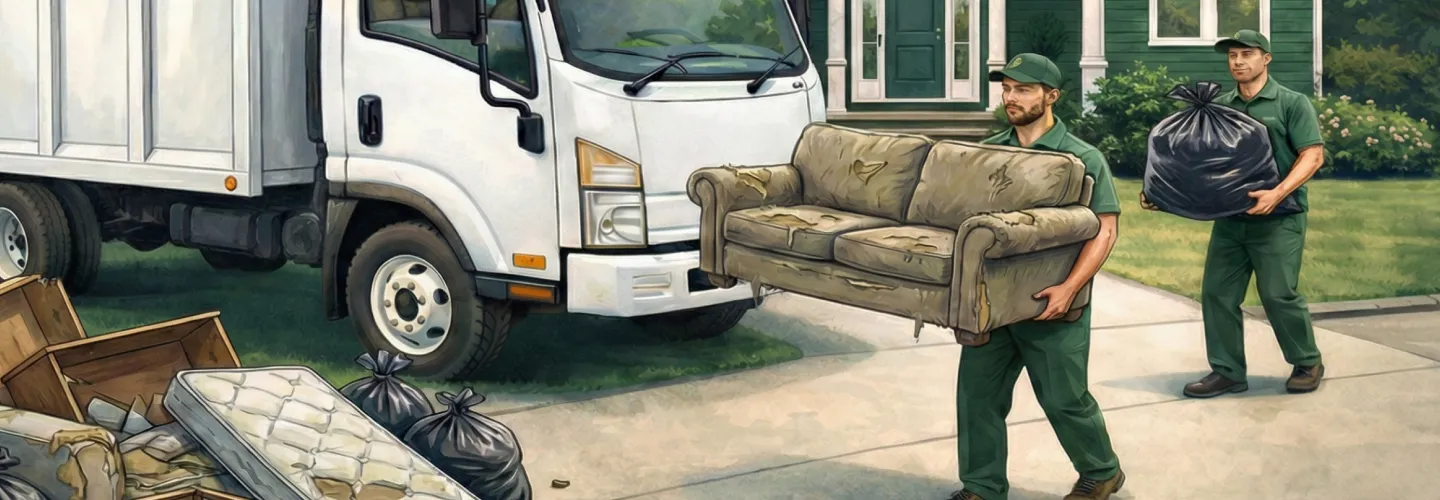
Snellville Estate Cleanout Services
Choose our Estate Cleanout service for a seamless, respectful, and thorough process—our experienced team handles every detail with care, giving you peace of mind during life's transitions.
Get a Free QuoteOur Snellville Junk Removal Services
Estate Cleanout in Snellville, GA – Local Service Guide
Estate cleanout in Snellville, GA, requires a tailored approach to address the unique needs of local residents and businesses. In neighborhoods like Brookwood Manor and Summit Chase, residential cleanouts often coincide with seasonal moves, estate transitions, or major renovations. Items such as furniture, appliances, and electronics are commonly removed during spring and fall, with options to donate, recycle, or dispose of them through city-approved channels. Access and weather can impact logistics, especially for large items or properties with limited driveway space.
For residential spaces like garages, basements, and yards, cleanouts are frequently driven by storm debris, yard cycles, or flooding in low-lying areas. Snellville’s trash pickup schedules and recycling programs help streamline these efforts. Commercial clients in areas like Scenic Highway and Oak Road face industry-specific needs—restaurants and offices may require discreet, after-hours service and efficient removal of high volumes. Specialty services, including hoarding, foreclosure, and construction debris cleanouts, demand careful planning and coordination, particularly for estates with complex property layouts or urgent timelines. For local rules and disposal resources, visit the Snellville Public Works Department.
Key Considerations for Estate Cleanout in Snellville
- Timing cleanouts around local weather and city pickup schedules
- Securing permits for large-scale or specialty removals
- Choosing proper disposal or recycling channels for various items
- Ensuring property access for trucks and crews
- Estimating volume and coordinating logistics for multi-category cleanouts
- Addressing unique needs for estates, hoarding, or commercial properties
Benefits of Estate Cleanout in Snellville
Fast and Efficient Service
Experienced Cleanout Professionals
Eco-Friendly Disposal Solutions
Transparent Upfront Pricing
Flexible Scheduling Options
Comprehensive Estate Cleanout Solutions
Coordinating Estate Cleanout Disposal with Snellville's Public Works and Gwinnett County Services
Estate cleanout projects in Snellville generate significant volumes of mixed materials requiring proper sorting and disposal through municipal and county channels. Snellville operates within Gwinnett County's solid waste infrastructure, meaning residents must coordinate with both city and county departments for compliant material removal. Key considerations for estate cleanout disposal include:
- Bulk item collection must be arranged through the resident's contracted private hauler, as Snellville does not operate a municipal curbside garbage collection program
- Gwinnett County transfer stations accept residential waste including furniture, household goods, and general debris; a valid Gwinnett County ID or utility bill is typically required for access
- Separated recyclables such as cardboard, metals, and plastics should be diverted from landfill-bound loads whenever possible
- Yard debris generated during exterior estate cleanout work must be kept separate from household waste streams
- Code enforcement coordination is recommended when cleanout timelines extend beyond a single day, to avoid property maintenance violations
Residents should contact the Snellville Public Works Department for guidance on local infrastructure services and sanitation coordination before beginning large-scale estate cleanout projects.
Snellville Public Works Department
2342 Oak Road, Snellville, GA 30078
Phone: (770) 985-3513
Official Website: Snellville Public Works Department
Hazardous Materials and Prohibited Items Encountered During Snellville Estate Cleanouts
Estate cleanout projects frequently uncover hazardous materials that cannot be placed in standard waste streams or left curbside. Homes built before 1978 may contain lead-based paint, and properties constructed before 1980 may have asbestos-containing materials in flooring, insulation, or ceiling tiles. Under the EPA Renovation, Repair, and Painting Rule, lead-safe work practices are required when disturbing painted surfaces in pre-1978 structures. Common prohibited items found during estate cleanouts include:
- Paints, solvents, and chemical cleaners — classified as household hazardous waste; prohibited from landfill disposal under Georgia solid waste regulations
- Propane tanks and gas canisters — explosive hazard; require specialized handling and cannot enter standard waste streams
- Pesticides and herbicides — must be disposed through Gwinnett County's periodic Household Hazardous Waste Collection events
- Medications and medical supplies — pharmaceutical waste requires drop-off at designated collection locations; sharps containers must be sealed
- Batteries (lithium, lead-acid, rechargeable) — lead-acid batteries must be recycled; retail takeback programs are available statewide
The Georgia Environmental Protection Division administers the state's solid waste management regulations, including enforcement of hazardous waste disposal requirements that apply to materials commonly discovered during estate cleanouts.
Georgia Environmental Protection Division
2 Martin Luther King Jr. Drive SE, Suite 1456, Atlanta, GA 30334
Phone: (404) 656-4713
Official Website: Georgia Environmental Protection Division
Snellville Code Enforcement and Property Maintenance Standards During Estate Cleanouts
Extended estate cleanout projects must comply with Snellville's quality of life and code enforcement ordinances to avoid violations and fines. The Snellville Quality of Life & Code Enforcement division monitors property conditions including debris accumulation, overgrown vegetation, and unsecured structures. During an estate cleanout, property owners and executors should be aware of the following requirements:
- Debris and materials must not be stored on the curb, driveway, or yard for extended periods; items awaiting pickup should be consolidated and contained
- Overgrown landscaping on estate properties may trigger code violations independently of the cleanout process; address vegetation maintenance concurrently
- Open or unsecured structures such as sheds, garages, or the main residence must remain secured to prevent unauthorized entry and liability exposure
- Noise restrictions apply to cleanout activities involving power tools, heavy equipment, or truck loading during early morning and evening hours
- Vehicles and trailers used for hauling must be parked in compliance with city ordinances; extended street parking of commercial vehicles may require coordination
Contact the Snellville Planning & Development Department for questions regarding permits, zoning compliance, and any renovation or demolition work that may accompany the estate cleanout process.
Snellville Quality of Life & Code Enforcement
2342 Oak Road, Snellville, GA 30078
Phone: (770) 985-3513
Official Website: Snellville Quality of Life & Code Enforcement
Electronics, Appliances, and Recyclable Material Recovery in Snellville Estate Cleanouts
Estate cleanouts typically yield large quantities of electronics, appliances, and recyclable materials that require separation from general waste. While Georgia does not currently enforce a statewide electronics landfill ban, responsible e-waste recycling is strongly encouraged by the Georgia Environmental Protection Division. Appliances containing refrigerants are subject to federal regulations under EPA Section 608, which mandates certified technician recovery of refrigerants before disposal. Key material recovery considerations include:
- Televisions, computers, and monitors should be directed to certified e-waste recyclers; many Gwinnett County retailers and recycling centers accept these items
- Refrigerators, freezers, and air conditioners require refrigerant recovery by an EPA-certified technician before the unit can be scrapped or landfilled
- Washers, dryers, and metal appliances have scrap metal value and should be separated for metal recycling rather than landfill disposal
- Furniture in usable condition may be donated to local charitable organizations; Habitat for Humanity ReStore locations in the greater Gwinnett County area accept furniture, cabinets, and building materials
- Scrap metal, aluminum, and copper found in estate properties should be sorted and directed to licensed scrap metal facilities for material recovery
Prioritizing donation and recycling during estate cleanouts supports Gwinnett County's landfill diversion efforts and reduces overall disposal costs.
Safety Protocols and Professional Standards for Snellville Estate Cleanout Operations
Estate cleanout work presents significant safety hazards including heavy lifting, exposure to biological contaminants, structural instability, and encounters with hazardous materials. OSHA general duty clause requirements apply to all workers performing estate cleanout services, and proper personal protective equipment is essential. Safety considerations specific to estate cleanout projects include:
- Heavy lifting and ergonomics — furniture, appliances, and packed boxes frequently exceed safe individual lifting limits of 50 pounds; mechanical aids such as dollies, hand trucks, and furniture straps should be used
- Biological hazards — estates that have been unoccupied may harbor mold, rodent droppings, insect infestations, or decomposing organic matter requiring N95 respirators and protective clothing
- Structural concerns — older Snellville homes may have deteriorated flooring, weakened stairs, or compromised structural elements; assess load-bearing capacity before moving heavy items
- Sharps and hidden hazards — needles, broken glass, and unstable stacked items are common in cluttered estate environments; puncture-resistant gloves are mandatory
- Asbestos awareness — properties built before 1980 may contain asbestos in floor tiles, pipe insulation, or textured ceilings; do not disturb suspect materials without professional assessment
The Gwinnett County Fire & Emergency Services department should be contacted if hazardous materials spills or structural emergencies occur during estate cleanout operations.
Gwinnett County Fire & Emergency Services
818 Crogan Street, Lawrenceville, GA 30046
Phone: (770) 513-5000
Official Website: Gwinnett County Fire & Emergency Services
What Neighborhoods Do We Serve Throughout Snellville, GA?
- Towne Center at Snellville: Properties near the city's commercial core along Highway 78 often involve mixed residential and commercial estate cleanouts. Truck access is generally straightforward with wide roadways and ample staging areas for material sorting.
- Lenora Park Area: Established single-family homes built in the 1980s and 1990s characterize this neighborhood. Estate cleanouts here frequently involve full-house contents including furniture, appliances, and accumulated household goods from long-term residents.
- South Gwinnett / Scenic Highway Corridor: Older ranch-style homes along this corridor may contain pre-1978 lead paint and aging building materials requiring careful assessment. Narrow lot configurations can limit staging space for large-volume cleanouts.
- Skyland Estates: This subdivision features larger single-family homes with basements and multi-car garages that often accumulate significant volumes of stored items. Driveway access is typically sufficient for removal vehicles.
- Pharrs Road / North Snellville: A mix of established neighborhoods and newer developments with varying lot sizes. Properties in older sections may present accessibility challenges due to mature tree canopy and narrower residential streets.
- Stone Mountain Highway Corridor: Properties along this commercial corridor may involve estate cleanouts with both residential and light commercial components. Coordination with traffic flow and parking considerations is important for efficient material removal.