
Snellville Shed Removal Services
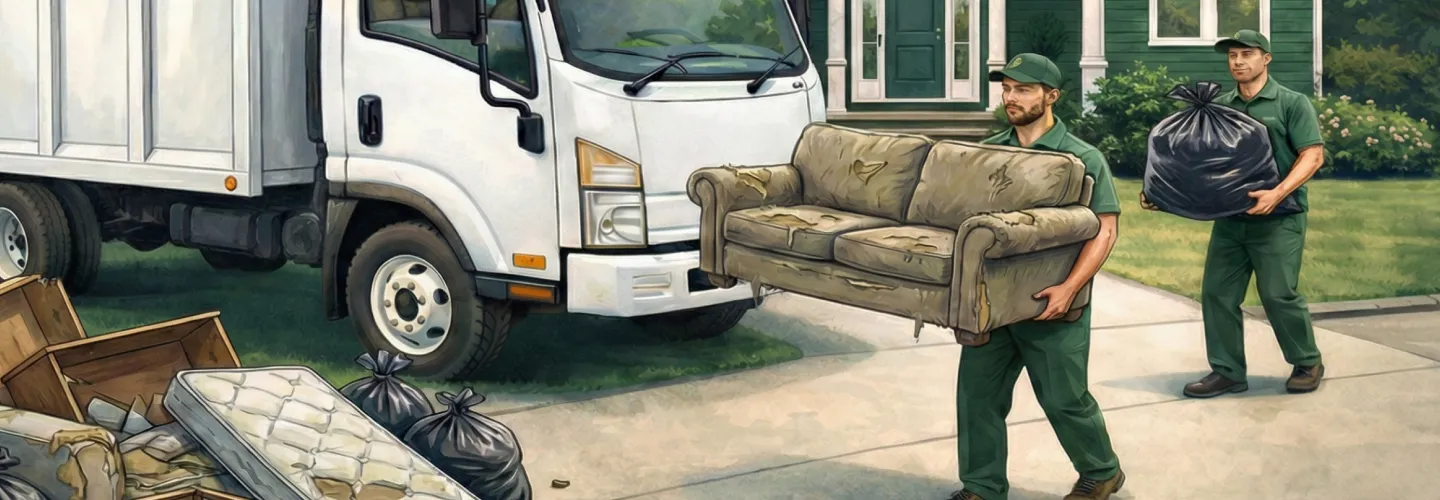
Choose our shed removal service for safe, efficient, and eco-friendly disposal—saving you time, effort, and giving you back valuable space without the stress.
Get a Free QuoteOur Snellville Junk Removal Services
Shed Removal in Snellville, GA – Local Service Guide
Shed removal in Snellville, GA is a common need for homeowners in neighborhoods like Brookwood Manor and Summit Chase, especially during spring cleanouts, after storm damage, or when upgrading outdoor spaces. Many residents seek shed removal when replacing old storage units, preparing for property sales, or addressing code compliance. Local disposal options include recycling metal components, donating usable materials, or arranging for responsible disposal through city-approved channels. Access can be a challenge in backyards with limited entry or during wet weather, so planning ahead is key. For larger or older sheds, professional removal ensures safe dismantling and proper handling of debris. Residents should be aware of local regulations and may need to coordinate with city services for permits or bulk pickup. For more information on local rules and resources, visit the Snellville Public Works Department.
Key Considerations for Shed Removal in Snellville
- Timing: Spring and fall are peak seasons due to yard cleanups and weather conditions
- Permits: Check city requirements, especially for larger structures or hazardous materials
- Disposal Channels: Options include recycling, donation, or city bulk waste pickup
- Access: Tight spaces or fenced yards may require special equipment
- Volume: Larger sheds generate significant debris—plan for proper hauling
- Coordination: Schedule around weather and neighborhood access restrictions
Benefits of Shed Removal in Snellville
Fast Shed Removal Services
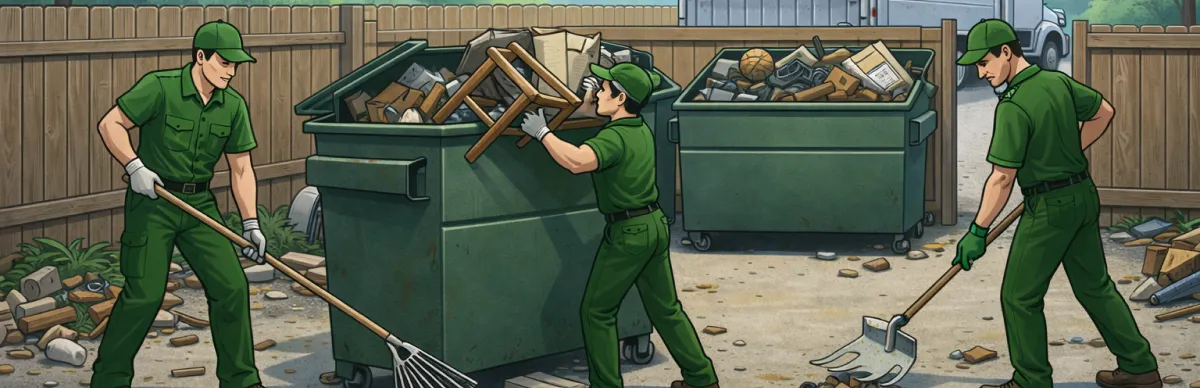
Eco-Friendly Disposal Solutions
Licensed and Insured Team
Transparent Upfront Pricing
Flexible Scheduling Options
Safe and Hassle-Free Process
Coordinating Shed Demolition Debris Disposal with Snellville's Public Works Department
Shed removal in Snellville generates significant volumes of construction and demolition debris, including lumber, roofing materials, metal fasteners, and concrete footings. Proper disposal of these materials requires coordination with municipal and county waste management services. Snellville residents should be aware that standard curbside collection does not accept construction and demolition debris from shed teardowns. Materials must be transported to an approved Gwinnett County solid waste facility or handled by a licensed hauler. Key considerations for shed removal debris include:
- Lumber and wood framing must be separated from metal hardware, nails, and screws before disposal
- Roofing shingles containing asphalt require disposal at facilities accepting construction waste
- Concrete slabs and footings are classified as inert waste and may qualify for separate recycling
- Metal siding, gutters, and fasteners should be diverted to scrap metal recycling facilities
- Treated or painted wood may require special handling due to chemical preservatives
Residents should contact the Snellville Public Works Department for guidance on approved haulers and disposal locations.
Snellville Public Works Department
2342 Oak Road, Snellville, GA 30078
Phone: (770) 985-3513
Official Website: Snellville Public Works Department
Snellville Permit and Code Enforcement Requirements for Shed Demolition Projects
Before initiating shed removal on any Snellville property, residents must verify whether a demolition permit is required through the city's Planning and Development Department. Snellville's code enforcement division monitors property maintenance standards and may require notification or approval before structural demolition begins. Sheds with electrical wiring, plumbing connections, or gas lines require disconnection by licensed professionals prior to demolition. Important regulatory steps include:
- Verify permit requirements by contacting the Planning and Development Department, particularly for sheds exceeding 200 square feet or those with utility connections
- Confirm zoning compliance to ensure removal does not violate any site plan conditions or buffer requirements
- Schedule a code enforcement review if the shed is being removed due to a violation or condemnation notice
- Obtain HOA approval in subdivisions with architectural review committees before beginning demolition
- Document the removal process with photographs for permit closeout and property records
The Snellville Quality of Life and Code Enforcement division can address questions regarding property maintenance standards and demolition compliance.
Snellville Planning & Development Department
2342 Oak Road, Snellville, GA 30078
Phone: (770) 985-3513
Official Website: Snellville Planning & Development Department
Georgia Environmental Protection Division Regulations for Construction and Demolition Waste
Shed removal debris falls under Georgia's construction and demolition (C&D) waste regulations administered by the Georgia Environmental Protection Division (GA EPD). The Georgia Comprehensive Solid Waste Management Act (O.C.G.A. § 12-8-20 et seq.) establishes requirements for the handling, transport, and disposal of C&D materials generated during demolition projects. Snellville residents and contractors must comply with state-level disposal standards when managing shed demolition waste. Key state regulatory requirements include:
- C&D debris must be transported to permitted facilities — illegal dumping on vacant lots or in waterways carries fines of up to $25,000 per day under Georgia law
- Asbestos-containing materials found in older sheds (pre-1980 construction) require inspection and licensed abatement per Georgia Rule 391-3-4-.15
- Treated lumber containing chromated copper arsenate (CCA) must not be burned and requires disposal at lined landfill facilities
- Haulers transporting C&D waste must use covered vehicles to prevent debris from scattering on roadways
- Stormwater protection measures must be maintained during demolition to prevent sediment runoff into storm drains, as regulated by Gwinnett County Water Resources
Hazardous Material Identification and Safe Handling During Snellville Shed Removal
Older sheds in Snellville may contain hazardous materials that require identification and proper handling before demolition begins. Structures built before 1978 may have lead-based paint on interior and exterior surfaces, requiring compliance with the EPA Renovation, Repair, and Painting Rule. Sheds constructed with certain insulation, roofing, or siding materials before 1980 may also contain asbestos fibers. Safety protocols for shed removal include:
- Lead paint assessment — scraping, sanding, or demolishing painted surfaces in pre-1978 structures requires lead-safe work practices and EPA RRP-certified contractors
- Asbestos inspection — transite siding, vinyl floor tiles, and pipe insulation should be tested before disturbance; friable asbestos requires licensed abatement
- Chemical storage cleanup — sheds frequently store pesticides, herbicides, paint cans, solvents, and motor oil that must be removed and disposed of as household hazardous waste
- Pressure-treated wood — CCA-treated lumber should not be burned; workers should wear gloves and dust masks when cutting or handling treated materials
- Rodent and pest contamination — long-standing sheds may harbor rodent droppings or nesting materials requiring protective equipment during removal
Contact Gwinnett County Fire and Emergency Services for guidance on hazardous material incidents during demolition.
Gwinnett County Fire & Emergency Services
818 Crogan Street, Lawrenceville, GA 30046
Phone: (770) 513-5000
Official Website: Gwinnett County Fire & Emergency Services
Recycling and Material Recovery Options for Shed Demolition Debris in Snellville
Snellville residents undertaking shed removal projects should prioritize material recovery and recycling to reduce landfill burden and comply with Georgia's waste reduction goals. Many shed components — including metal roofing, aluminum siding, steel framing, and concrete — have significant recycling value and should be separated from general demolition waste. Strategies for maximizing material diversion include:
- Scrap metal recycling — steel, aluminum, and copper components (wiring, gutters, hardware) can be taken to local scrap metal facilities in the Gwinnett County area
- Lumber salvage — untreated dimensional lumber, plywood, and structural beams in good condition may be accepted by Habitat for Humanity ReStore or similar reuse organizations
- Concrete and masonry recycling — foundation slabs, pavers, and block walls can be processed by C&D recycling facilities into aggregate material
- Roofing shingle recycling — asphalt shingles may be accepted at specialized recycling facilities that process them into road paving material
- Reusable components — windows, doors, shelving, and hardware in functional condition should be donated rather than discarded
Proper sorting at the demolition site significantly reduces disposal costs and supports Gwinnett County's waste diversion initiatives. Residents should also be aware that Gwinnett County tree ordinances may apply if shed removal requires cutting or disturbing protected trees on the property.
What Neighborhoods Do We Serve Throughout Snellville, GA?
- Brookwood Estates: Established single-family homes on larger lots frequently feature aging wooden sheds that may contain lead paint or deteriorating roofing materials. Wide driveways and open backyards generally allow straightforward equipment access for demolition and debris loading.
- Lenora Park Area: Properties near Lenora Park feature mature tree canopy that may limit overhead clearance for equipment. Shed removal projects in this area should account for potential tree protection requirements under Gwinnett County ordinances.
- Scenic Highway Corridor: Mixed residential and commercial properties along this corridor may require coordination with Snellville's Planning and Development Department for demolition permits, particularly for structures visible from the roadway.
- Stone Ridge and Meadowbrook: Subdivision communities with HOA governance requiring architectural review approval before shed demolition. Residents must obtain written HOA consent and may face restrictions on demolition hours and debris staging.
- Pinehurst and Pebble Creek: Neighborhoods with moderate lot sizes where shed placement near property lines may require careful demolition techniques to avoid damage to adjacent fences, landscaping, or structures.
- South Snellville/Highway 78 Area: Properties in this developing area may have older agricultural-style outbuildings with concrete slab foundations and metal construction requiring specialized cutting and hauling equipment for removal.